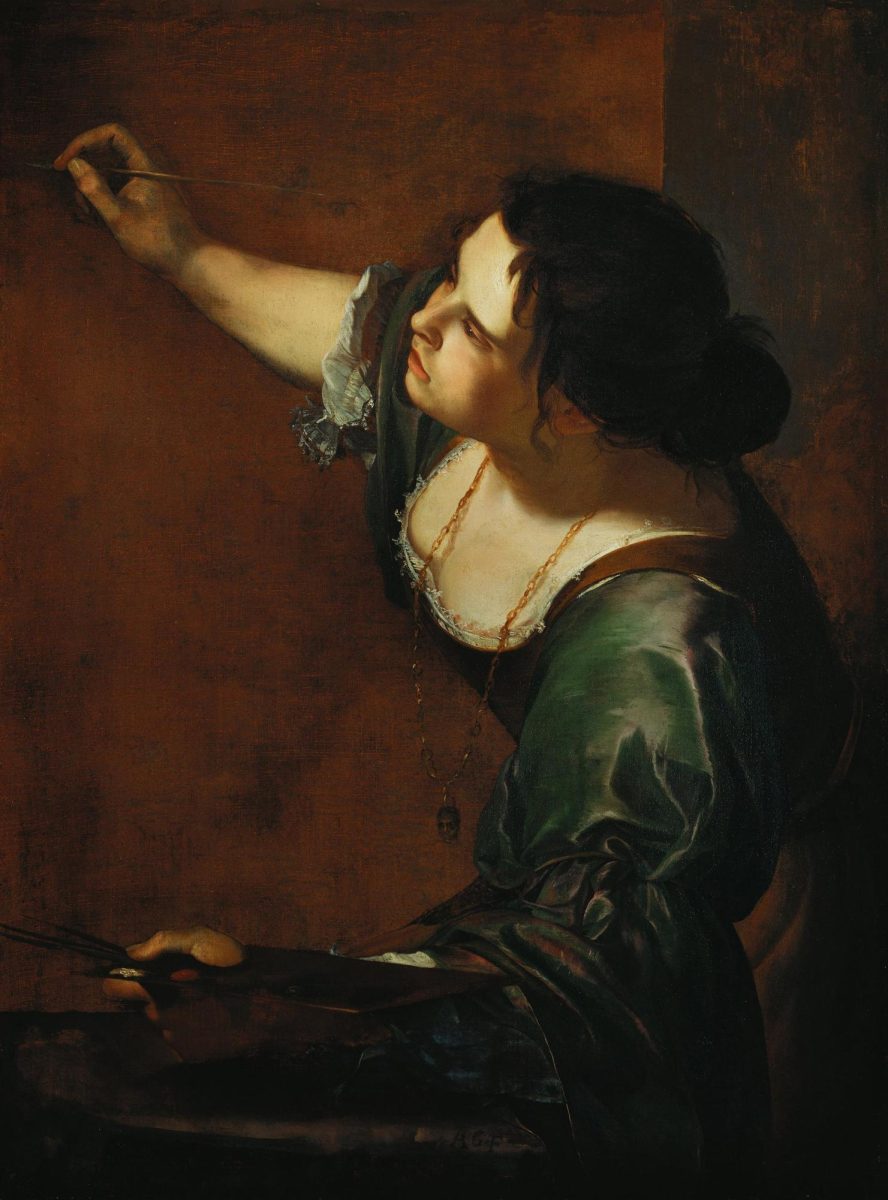
One of the most underrated painters in art history is Artemisia Gentileschi. Although she was incredibly talented and successful during her lifetime, her work was overshadowed for centuries by male artists such as Caravaggio and Michelangelo. Today, however, many historians recognize gentileschi as one of the greatest painters of the Baroque period. Her artwork combines dramatic emotion, intense realism, and really powerful storytelling in ways that still inspire audiences today.
Born in Rome in 1593, Artemisia was the daughter of the painter Orazio Gentileschi. Because women at the time were rarely ever allowed to study art professionally, shading, and the use of light and shadow, which were heavily influenced by Caravaggio dramatic style. Unlike many women in her era, she was determined to build a career as a professional artist no matter the societal limits and “do nots” she was given.
Artemisia’s life was far from easy since when she was a teenager she entered a traumatic assault and later testified in a public trail against her against her attacker. Despite the humiliation and challenges she faced, she continued to paint and gain recognition for her talent. This resilience became part of her legacy. In a time where when had very little independence, Gentileschi traveled, earned commissions for wealthy patrons, and became one of the first women admitted into the prestigious Accademia Della Arti del Disegno in Florence.
What made Gentileschi’s art unique was the way she portrayed women in her paintings. During the 1600s, female figures in art were often painted as passive, delicate, or dependent on men. Artemisia challenged those stereotypes by creating women who appeared brave, intelligent, and emotionally powerful. One of her most famous works, “Judith slaying holofernes,” depicts a biblical movement, showing Judith as fearless and determined rather than weak or helpless. Many art historians believe this painting reflects Artemisia’s own experience with hardship and injustice.
Overall, Artemisia Gentileschi deserves more recognition than she has traditionally received. Her groundbreaking artwork, emotional storytelling, and determination to succeed despite enormous obstacles make her one of history’s most remarkable painters. Although she was overlooked for centuries her legacy continues to grow, proving that truly great art can never remain hidden forever.