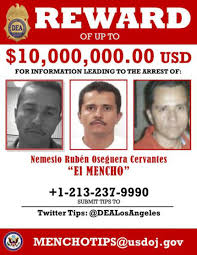
El Mencho, one of Mexico’s biggest drug lords and one of the most wanted men in America, was reportedly killed in a joint U.S. intelligence and Mexican military operation. The operation, allegedly conducted on February 22, 2026, resulted in days of violence across the state of Jalisco and surrounding regions as the CJNG cartel, which El Mencho ruled with an iron grip, retaliated against Mexican officials. The unrest demonstrated the influence criminal organizations can have in parts of Mexico, with multiple killings reported in the aftermath.
El Mencho was once considered the most powerful cartel leader in Mexico following the capture of El Chapo in 2016. The CJNG cartel, a major rival of the Sinaloa Cartel, rose to prominence as a powerful and notoriously violent organization. It primarily established itself in Jalisco and other Mexican states while maintaining numerous operations throughout central and northern Mexico.
The CJNG manages one of the largest drug trafficking networks in the world, competing with organizations such as the Sinaloa Cartel, Los Zetas, and the Gulf Cartel for control of smuggling routes. The cartel is known for trafficking drugs such as fentanyl and methamphetamine.
Its rise to power in Mexico’s criminal underworld was marked by several high-profile killings, including the death of former cartel leader El Cholo, whose body was reportedly found wrapped and severely mutilated in a public park. Incidents like this demonstrated the extreme lengths the CJNG was willing to go to eliminate its rivals.
El Mencho himself rose from poverty in the state of Michoacán. He originally worked for the powerful Milenio Cartel, but after the organization collapsed and many of its leaders were killed or captured, he helped establish the CJNG. He became known as a highly secretive leader, with very few verified photographs of him publicly available.
As the CJNG grew into one of Mexico’s most powerful criminal organizations, it attracted increasing attention from both the Mexican government and U.S. law enforcement agencies. Officials focused heavily on the cartel’s role in trafficking fentanyl across the U.S.-Mexico border, contributing to overdose deaths throughout the United States.
Over the years, numerous CJNG members and leaders were arrested, signaling increasing pressure on the organization. Through a campaign of violence, the cartel developed a reputation that often resembled that of an armed militia, controlling territory in parts of Jalisco and maintaining influence in other regions throughout Mexico.
According to reports, Mexican military forces, working with U.S. intelligence, eventually located El Mencho at a compound near a mountain village. A firefight allegedly followed, resulting in multiple casualties among cartel members. Authorities reportedly captured El Mencho and attempted to transport him to face prosecution.
Following reports of his death, cartel members allegedly responded with widespread violence, including roadblocks, vehicle burnings, and attacks across parts of western Mexico. These events reportedly caused panic in several cities and disrupted transportation and public services.
The aftermath of these events has led to speculation about the future of the CJNG. Some analysts believe the organization could fracture into smaller groups due to the power vacuum left behind, while others argue it may remain united under new leadership.
Whether these developments mark the beginning of the cartel’s decline remains uncertain, but the events highlight the continuing challenges Mexico faces in combating organized crime.