
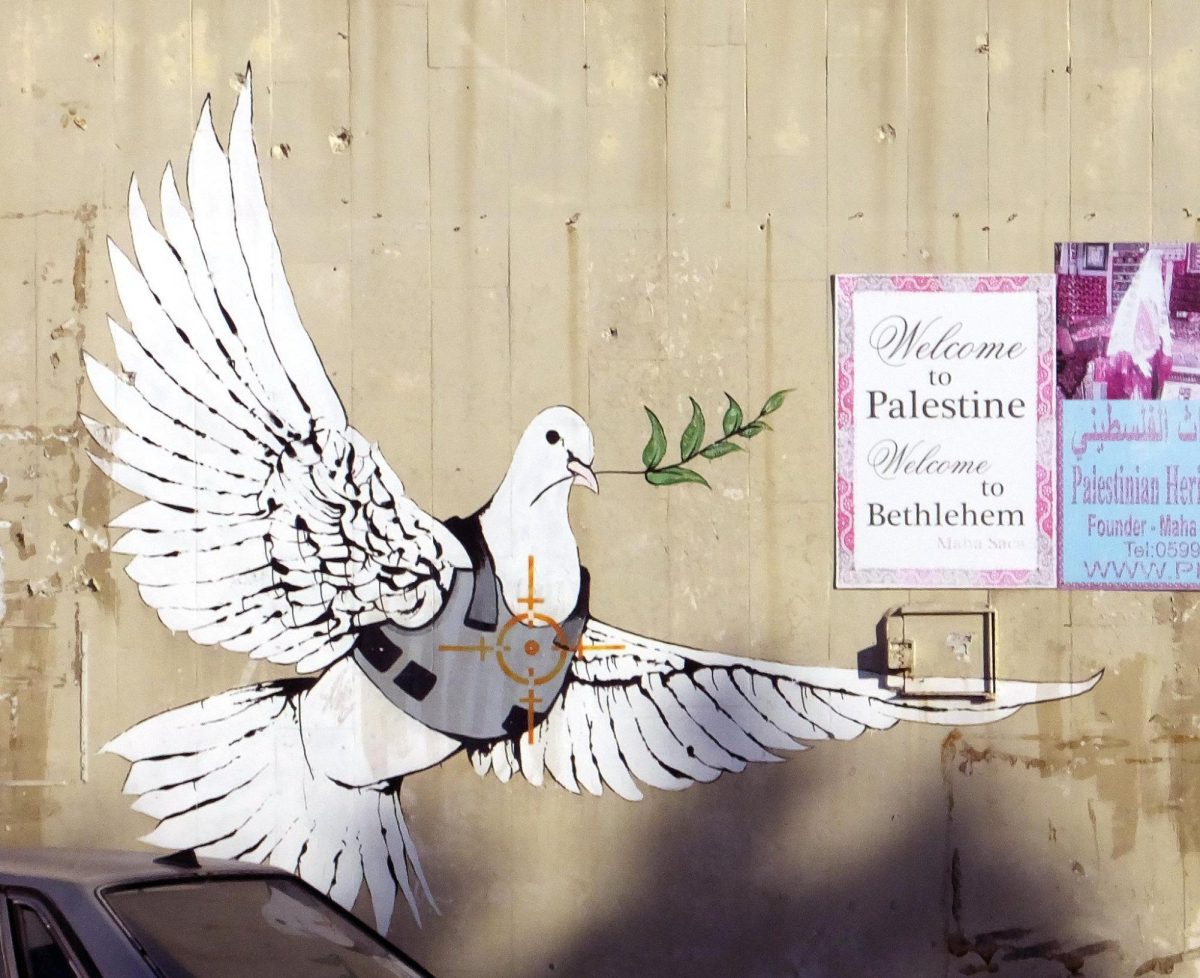
After months of intense fighting in Gaza, negotiators reached a temporary ceasefire agreement between Israel and Palestinian factions in the territory. The pause in the conflict has offered a brief moment of relief for civilians on both sides, although casualty numbers remain high. The ceasefire officially went into effect on October 10, 2025, after widespread destruction and reports of violations by both sides.
The Gaza Strip, governed by Hamas since 2007, has frequently been at the center of violent confrontations with Israel. Israel argues that its military actions are necessary to defend its citizens from rocket attacks launched from Gaza. Hamas and other armed groups in the territory have fired thousands of rockets toward Israeli cities over the years. In response, Israel has conducted airstrikes, military operations, and blockades aimed at weakening militant groups and their infrastructure. These exchanges have often resulted in severe destruction in Gaza and casualties on both sides.
Ceasefires typically emerge after days, weeks, or even months of intense fighting. They are often brokered by international mediators such as Egypt, Qatar, or the United Nations. These agreements usually involve both sides halting attacks and may include provisions for humanitarian aid deliveries, hostage releases, prisoner exchanges, or negotiations over longer-term security arrangements. However, most ceasefires in this conflict have been temporary, with violations reported by both sides.
For civilians in Gaza, ceasefires bring critical relief. Gaza is one of the most densely populated areas in the world, and conflicts often damage homes, hospitals, schools, and infrastructure. When a ceasefire is announced, humanitarian organizations can begin delivering food, medicine, and emergency aid. Residents can temporarily return to damaged neighborhoods, search for missing family members, and begin rebuilding their lives.
Israeli civilians also experience the effects of the conflict. During periods of escalation, communities near Gaza face rocket sirens that force families to take shelter in bunkers and safe rooms. Cities farther from Gaza have also been targeted, increasing anxiety and disrupting daily life. A ceasefire provides Israelis with a sense of security and stability, even if only temporarily.
Despite these moments of calm, long-term peace remains uncertain. Political disagreements, territorial disputes, and deep mistrust continue to hinder lasting solutions. Israel’s primary focus is security and preventing future attacks, while many Palestinians seek sovereignty, improved living conditions, and an end to restrictions and blockades. These competing goals create significant barriers to achieving sustainable peace.
International reactions to ceasefires in Gaza are generally supportive. World leaders often welcome ceasefires as a necessary step toward preventing further loss of life. However, many observers emphasize that ceasefires alone cannot resolve the deeper political issues fueling the conflict.
My Opinion on the Ceasefire
The ceasefire between Israel and Palestine is important because it can help prevent further injuries and loss of life. In my opinion, both sides should work harder to maintain peace because ordinary people—especially children and families—suffer the most during conflicts.
A ceasefire gives everyone an opportunity to calm tensions and potentially begin peace talks. However, many challenges remain, and ongoing regional conflicts continue to complicate efforts toward a lasting resolution.
No matter what political views people may have, one thing is clear: civilians on both sides benefit when violence decreases and peace becomes possible.