
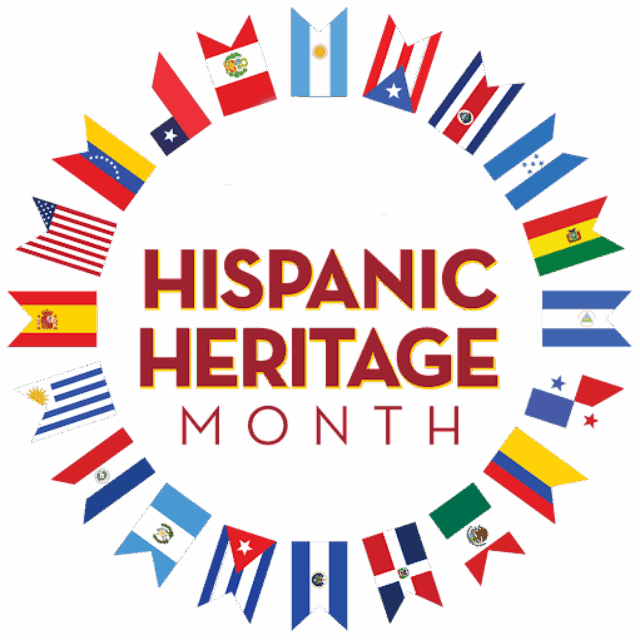
The Hispanic population of the United States as of July 1, 2024, making it the nation’s largest racial or ethnic minority — 20% of the total population.
This is a time to recognize and honor the history, culture, and achievements of Hispanic Americans and their significant contributions to the United States.
Forget what you thought you knew about American history . From the Spanish naval officer who aided the American Revolution to the U. S. Navy’s first admiral, David Farragut, and problems on Hispanic Heritage and historical circumstances. Are you ready to discover the stories often left out of textbooks?
Dates were chosen to coincide with the independence days of several Latin American nations, including Costa Rica, all of which celebrate on September 15.
The month-long celebration was expanded from a week-long observance in 1968 and signed into law by President Ronald Reagan in 1988
This observation began in 1968 under President Lyndon Johnson as Hispanic Heritage Week. President Ronald Reagan expanded it in 1988 to include a 30-day period that started on September 15th and ended on October 15. The Public Law 100-402 approved it and it was made law on August 17, 1988
National hispanic history month is observed annually from September 15th to October 15th celebrating the cultures, histories, and countless contributions of Americans citizens with ancestry from Spain, Mexico , The Caribbean, and central South America. The month-long period is an intentional opportunity to learn about the incredible impact that hispanic and latinos Americans have had and continue to have on the nation
The federal government celebrates National Hispanic Heritage Month from September 15 to October 15 to honor the cultures and contributions of Hispanic and Latino Americans, whose ancestry comes from Spain, Mexico, Central and South America, and the Caribbean. The observance began as a week in 1968 and was expanded to a 30-day period by President Ronald Reagan in 1988, with the timeframe chosen because it includes the independence dates of numerous Latin American countries. Federal agencies, including the White House, National Archives, and National Park Service, participate by issuing proclamations, hosting events, and providing educational resources to recognize the history and achievements of this diverse community.
Our Federal agencies and the public are encouraged to observe the month with appropriate ceremonies and activities, which can include educational events, cultural showcases, and community gatherings.
The timing of this celebration is intentional, beginning mid-month to coincide with several pivotal dates in Latin American history. September 15th marks the anniversary of independence for five Central American nations: Costa Rica, El Salvador, Guatemala, Honduras, and Nicaragua. Mexico and Chile celebrate their independence days shortly after, on September 16th and September 18th, respectively, while Día de la Raza (Columbus Day) falls within this period on October 12th.
The Hispanic presence in America spans centuries, predating the nation’s founding, and has been integral to shaping American society. From the arts and literature to science, business, sports, and public service, Hispanic Americans have enriched the national fabric in countless ways.
We invite everyone to observe National Hispanic Heritage Month by exploring the unique stories and experiences of Hispanic Americans. Consider participating in local community events, exploring resources from cultural institutions like the Smithsonian, reading books by Hispanic authors, or trying authentic recipes.
By learning more about the diverse heritage and ongoing impact of the Hispanic community, we can foster a deeper appreciation for the many threads that weave together the rich tapestry of the American identity.