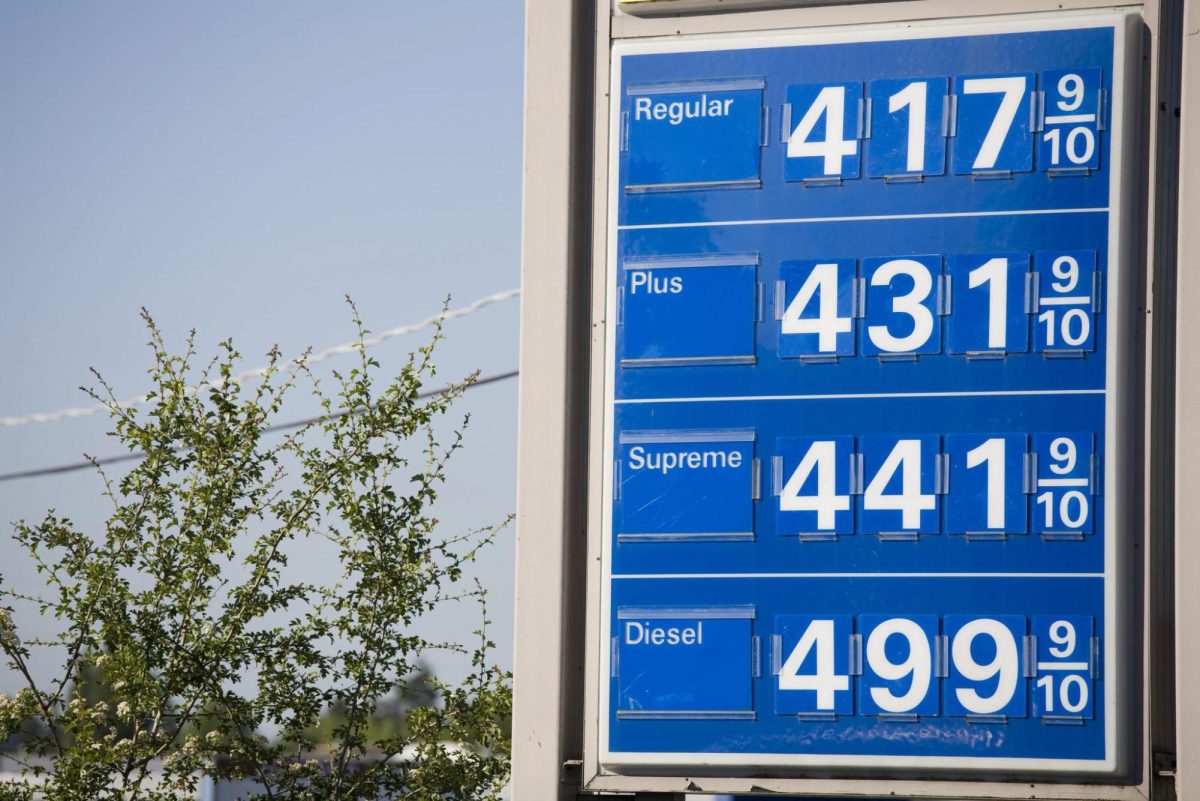
Have you ever wondered why gas prices suddenly go up overnight?
Well, it is often connected to ongoing tensions involving Iran and other countries in the Middle East. These conflicts can create economic instability around the world and increase military risks. They can also disrupt oil supplies that travel through major shipping routes, leading to higher fuel prices and inflation. In recent years, tensions between Iran and Israel have escalated, including direct attacks in 2024. What was once mostly a conflict through proxy groups has increasingly involved direct military confrontations.
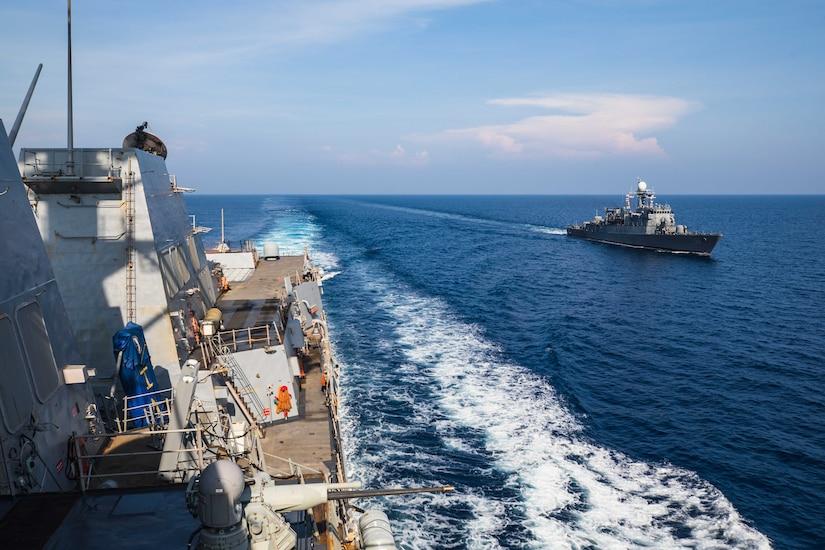
The conflict mainly takes place in the Middle East, especially around Iran and nearby regions where important oil transportation routes exist. One of the most important areas is the Strait of Hormuz, where a large portion of the world’s oil supply passes through. Because so much oil travels through this area, any tension or disruption can affect countries across the world, including the United States.
The conflict exists because of long-standing political tensions, disagreements over nuclear development, economic sanctions, and struggles for power in the Middle East. Iran and other countries in the region often compete for influence, leading to military threats and international pressure.
“The conflict continues through economic sanctions, military threats, and disruptions to oil transportation routes. These actions affect global oil markets, which then raise fuel prices and contribute to inflation in many countries.”
According to analysts, “the implications of this war could be wide because oil is a feedstock for so much of the global economy.” This shows how conflicts involving Iran can affect economies far beyond the Middle East.
Another warning about the economic impact states, “Conflict in the Middle East could have very significant impacts on the global economy.” These statements highlight how tensions in one region can influence gas prices, global trade, and economic stability worldwide.
To gain another perspective, I interviewed my friend Nick. He said, “Iran has a war going on, so it might possibly affect gas prices because when there is destruction during war, prices tend to go up due to shortages and disruptions in supply.”
Sources
- Center for Geoeconomics Studies (Edward Fishman)
- Office for Budget Responsibility Economic Analysis