
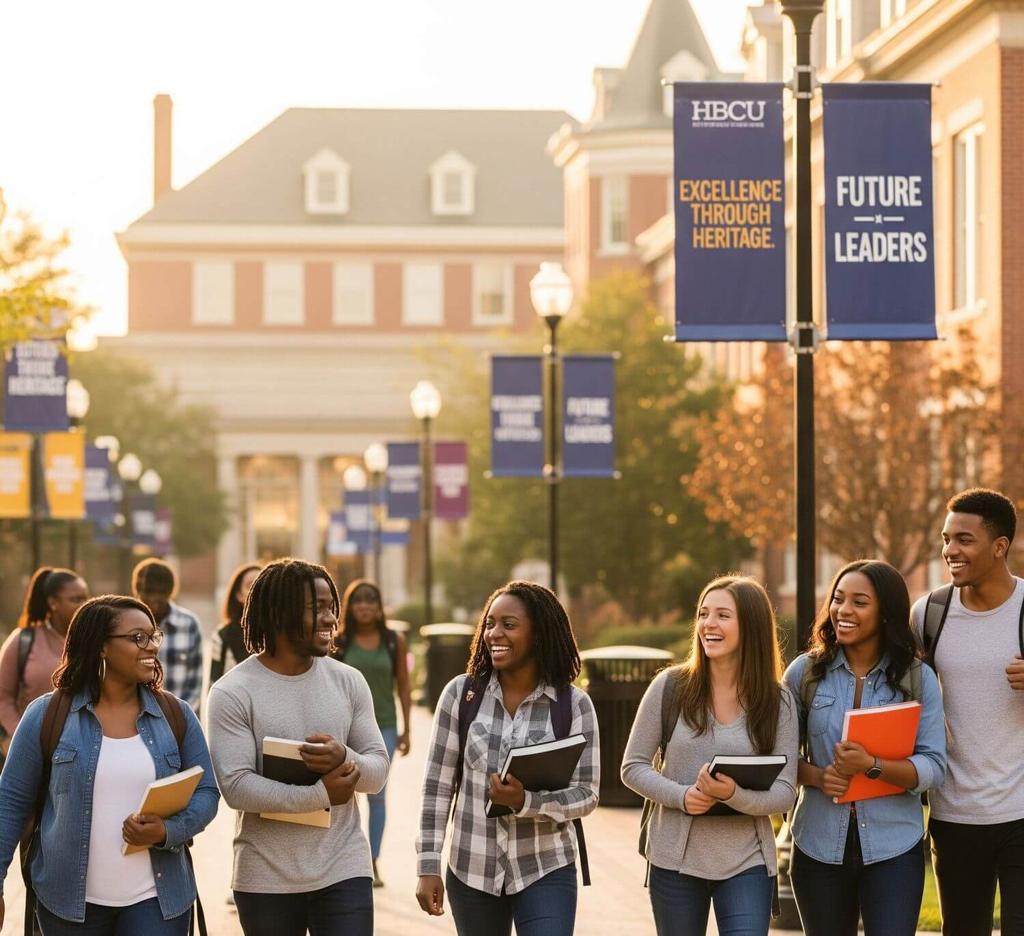
Historically Black Colleges and Universities (HBCUs) have a unique culture that differs from that of predominantly white institutions. Many students choose to attend HBCUs to receive an education in an environment centered around Black community, history, and excellence. However, the real question is: How does being in an HBCU setting affect long-term culture beyond education?
Studying at an HBCU comes with a wide range of cultural benefits. These institutions help students develop culturally validating identities and provide them with a strong sense of purpose. Attending one of these universities can also lead to lifelong friendships and valuable alumni connections. In addition, HBCUs foster leadership skills, as they are known for producing leaders who overcome challenges and create positive change in their communities. Historically Black colleges and universities provide students with countless opportunities for cultural growth and personal development.
Identity
Focusing more closely on identity, HBCUs help shape how students see themselves and assist them in finding their place in society. According to the article “What Makes HBCUs Thrive: Unique Characteristics of Historically Black Colleges and Universities,” “HBCUs often incorporate a curriculum that reflects the cultural and historical experiences of Black students. This can enhance engagement and a sense of belonging and helps Black students connect with the material and feel more engaged in their education.”
Students receive an education that emphasizes Black history and culture, helping them develop a self-image rooted in cultural pride. By learning about the struggles and achievements of Black communities, students gain a deeper understanding of their heritage. They often become more confident in who they are and where they come from, strengthening their sense of identity.
Connections
Attending an HBCU, like attending any college or university, allows students to build a wide network of connections. Not only do students develop new friendships, but they also create professional relationships that can benefit them in the future. In the article “Why HBCU Graduates Excel in Competitive Careers,” it states, “One of the greatest strengths of an HBCU education is the powerful, close-knit alumni network. Graduates often have direct access to influential professionals, corporate partners, and mentorship opportunities that can open doors to top-tier careers.”
Historically Black colleges and universities provide students with numerous opportunities for professional success. As demonstrated in the quote above, there are significant networking advantages that come from attending an HBCU.
Leadership
In addition to identity and connections, students also gain opportunities to become leaders within their communities. As stated in “Why HBCU Graduates Excel in Competitive Careers,” “These academic experiences give students a solid foundation in leadership principles and the opportunity to apply these insights in real-world settings.”
The environment of an HBCU helps set the stage for future leaders. These institutions encourage students to take charge of their futures and prepare them to make meaningful contributions in their chosen careers. By fostering confidence, responsibility, and service, HBCUs continue to develop leaders who create positive change in their communities and beyond.