
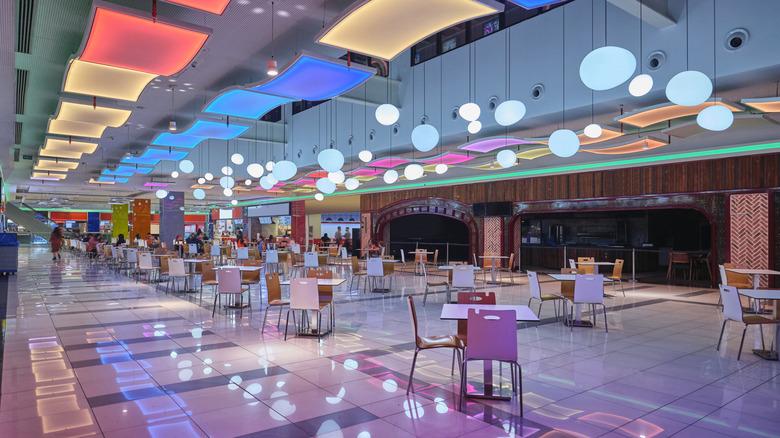
Many teens get together after school to make plans, socialize, and spend time with friends, or at least that’s what people imagine. In reality, many teenagers find themselves hanging out in the same fast-food parking lot night after night because there are few other places to go.
A “third place” is a location outside of home and school where people can gather, relax, and build relationships. Examples include cafes, bookstores, arcades, parks, community centers, and local recreation spaces. Unfortunately, many of these places are disappearing.
As towns and cities continue to grow, businesses often prioritize profits over community spaces. Affordable gathering spots are frequently replaced by expensive stores, office buildings, luxury apartments, or chain businesses. Small local cafes, bookstores, and arcades struggle to compete with larger corporations and online services. As a result, many places that once welcomed people to gather now require spending money simply to stay.
The decline of third places has had a significant impact on communities, especially for young people. These spaces provide opportunities to meet new people, relax, and develop friendships outside of school and family life. Without them, many individuals experience increased feelings of loneliness and isolation.
As fewer public gathering places exist, more social interaction takes place online. While social media and messaging apps allow people to stay connected, digital communication often lacks the depth and personal connection of face-to-face conversations. Third places help create stronger communities by bringing people together through shared experiences, local events, and everyday interactions.
The loss of third places is more than just an inconvenience, it is a community issue. If current trends continue, future generations may have even fewer opportunities to connect with others in meaningful ways. Preserving affordable and welcoming community spaces is essential for maintaining strong social bonds and healthy communities.