
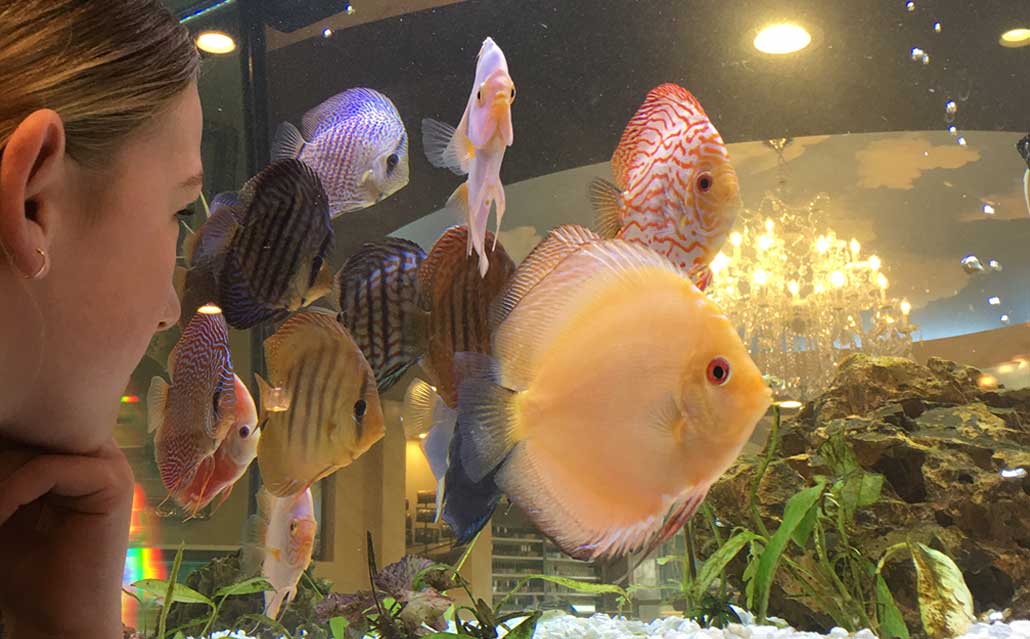
Many pet stores in various places around the country often have hundreds of animals inside them, ranging from parrots and hamsters to even fish. However, one thing most people don’t realize about these pet stores, especially large chains like Petco and PetSmart, is that their animals are often stressed. In-store conditions, many delicate animals often suffer from the high LED lighting from the massive store lights. Many delicate animals, such as tropical fish, often develop stress and parasites from cramped, overpopulated conditions, which can cause them to die even after being bought by an owner.
Even besides fish, many large chain pet stores often carry exotics like snakes and tarantulas, which are even more delicate animals. Sometimes these stores aren’t staffed enough to provide care to all these animals, often causing inhumane conditions. Petco and PetSmart are both guilty of buying large stocks of already stressed or overpopulated species in order to fill their displays and make them more “enticing to buyers.” If buying a new pet, I’d strictly buy from local stores to avoid spending your hard-earned money on a stressed, sick animal that could die within weeks.
Local stores often provide cheaper and often better conditions for these creatures, providing a strong foundation for buyers to acquire and care for a new animal. They may even provide lower prices on accessories such as live plants, tanks, or lights for reptiles and fish.
Another large reason for chain stores’ mistreatment of animals is that many of these animals are bred in “farms,” where they often aren’t screened for diseases. This can cause many fish and reptiles to come home with illnesses, which can endanger your other animals if you’re not careful and create a very expensive problem to cure and fix.
Small tropical fish like betta fish, a very common household pet for millions, are very delicate creatures that often need at least a 5-gallon fish tank to thrive. However, in stores, Petco and PetSmart keep them in tiny cups, often creating unsanitary and dirty conditions that can kill the fish or make them sick before they leave the store. With reptiles, high rates of illness and respiratory infections can also remain a concern.
One primary solution, besides buying from local stores—which can sometimes have the same or even worse conditions than large chain stores—is forcing these large for-profit companies to take better care of their animals. Yes, it will be costly, but it will be better for the well-being of these animals and for customers to return home with happy, healthy pets. If large chains invested a small portion of their earnings into hiring more workers and providing stores with dedicated environments to house delicate species like reptiles and fish, these conditions could be improved greatly.
In the end, if these companies put more care and effort into the environments they provide for countless species, the animals could genuinely thrive inside these stores. If these companies reduced their reliance on massive breeding farms for species like geckos, lizards, and certain types of fish, and if they provided the necessary requirements to sustain living creatures, I don’t see why they couldn’t improve conditions. Doing so would make the animals healthier and improve their quality of life. However, with the overall lack of government regulation on these companies, it appears they may continue operating this way for quite a while.