
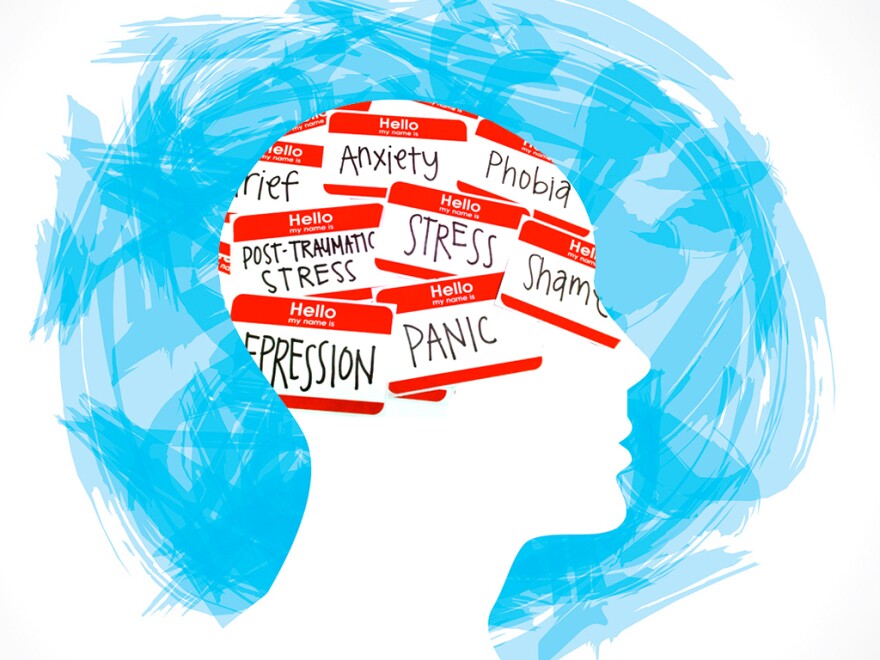
Over the past decade, there has been a significant change in students’ mental health and wellness. Student mental health has really declined since the 2010s, up until now, where it has further deteriorated. What are schools doing to help?
According to the article “Safe Schools, Thriving Students: What We Know About Creating Safe and Supportive Schools” by Jennifer DePaoli and Jennifer McCombs, schools play a key role in supporting students’ mental health and well-being. When students feel welcomed and connected to their school community, their mental health improves.
Schools that increase their use of social-emotional learning and restorative practices-approaches that teach conflict resolution and reduce exclusionary discipline show significant decreases in student depression, anxiety, and suicidal ideation, as well as improvements in attendance. Schools also rely on school counselors and psychologists to support students’ mental health and well-being.
Schools can enforce anti-bullying policies, build positive relationships between staff, students, and families, and train staff to recognize warning signs. Teachers and staff are often the first to notice when something isn’t right. With the proper training, they can identify early signs of Depression or anxiety, Social withdrawal, or changes in behavior, Risk of suicide or self-harm, emotional dysregulation, or escalating behavior.
Schools can also Improve Access to school-based Mental health support. Expanding access to services on campus is key to helping students before their needs escalate. Partner with community mental health professionals, Conduct screenings, and offer prevention programs. Ensure clear, timely referral systems and build dedicated time for support within the school day.
This is important because in recent years, youth mental health has become one of the most important concerns facing K–12 educators. Rising levels of stress, anxiety, depression, and suicide risk among students have led experts to call the situation a national crisis. According to the Mental Health Organization, “Mental Health of Adolescents,” One in seven 10-19-year-olds experiences a mental disorder.
From 2010 to 2020, US Teens have experienced a growth in major Depression. Females have had a 145% increase in Major Depression since 2010, while Males have had a 161% increase. Mental illnesses like anxiety, depression, ADHD, Bipolar disorder, Anorexia, Substance abuse or addiction, and Schizophrenia have all seen an increase over the past years. With anxiety having the biggest increase, 134% since 2010, Depression having 106%, ADHD having 72%, Bipolar disorder 57%, Anorexia having 100%, Substance abuse or addiction having 33%, and Schizophrenia having 67% increase since 2010.
Amityville High Schooler Junior, Weladi Tejda Garcia, shared that he felt down and frustrated. He explained that one of his friends had recently passed away, and he had gone to his funeral a couple of days ago. He shares that he started crying and felt confused, but he explains that he remembered what some teachers had taught him. He states that the school had helped him because to him it felt good to cry, that men’s mental health matters, and that it’s okay to cry and it isn’t the end of the world, and that life goes on.
Schools are vital to students’ mental health,h and Schools should do everything in their power to support and help their students.