In history, it’s a well-known fact there will always be left out stories, figures. Regardless of history classes being here to teach us the truth and the history of America, even then, we don’t get the full depths, the nitty gritty (for example: how bad slavery was). Now the question is, is this ignorance or the simple fact that America loves to seem more prestigious than it truly is. Let me give you an answer, it’s both. Now, to get into some black figures that helped shape our history but are rarely mentioned, Henrietta Lacks and Frances Ellen Watkins Harper. While lots of black history is touched upon, let’s shift it onto ‘herstory’ for this article.
Henrietta Lacks, a mother of 5 born on August 1st, 1920 and died in October 1951 at 31 years old. Henrietta Lacks is a black woman who had gone to her doctor complaining of vaginal bleeding. After going, the doctor found a malignant tumor on her cervix. During this time, The Johns Hopkins Hospital (the hospital she visited) was the only hospital at the time that would treat African Americans. She underwent radium treatments, this being the most preferred available treatment at the time. They took a sample of her cancerous cells and sent them to a lab, where they discovered that her cells were immortal. While every other cell in another patient’s sample would die, hers would double every 20-24 hours. They named her cells HeLa. Her cells were used to test cancer treatments, to learn how viruses work. Her cells contributed a large amount to the creation of polio and covid-19 vaccines. Her cells were so freely and widely used, but her family wasn’t notified of it until 1973, which is more than 20 years after her death. Now moving onto Frances Ellen Watkins Harper.
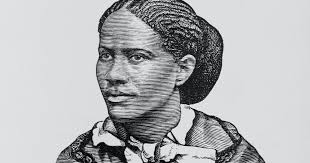
Frances Ellen Watkins Harper was born on September 24, 1825, and died on February 22, 1911. She was an American abolitionist, suffragist, poet, author, Lecturer, temperance activist, teacher, and public speaker. Harper started out working as a seamstress and a teenager, while working she continued to read and write, she then went on to publish a book of poetry in 1846 called “Forest Leaves”. In 1815, she began teaching Domestic Science in Union seminary in Ohio. Now when it came to her start of abolition is when her home state of Maryland had a law that forbade free people of color from entering slave states. At this time, a free black man who had violated that had been sold into slavery in Georgia, he had attempted to escape and was caught once more where he then died by exposure while being punished. This willed her to join abolition, and the movement against slavery. Her main contributions to the movement were traveling and speaking out. She often would spread her word while traveling, as well through literature. She then contributed her earnings in support of the Underground railroads. This is just a fraction of her career and as a student this is the first ive heard about her. So why are these ladies left out of history, when their stories built ours today.