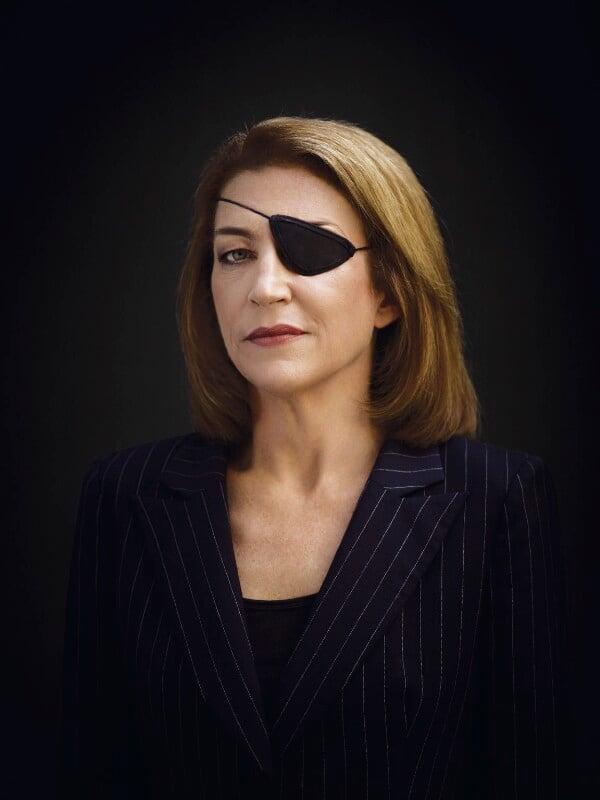
Marie Colvin was an American journalist who traveled to the Middle East during times of war to uncover and show the world what was really happening in these countries. She wanted people to understand that wars were not only affecting soldiers but also innocent civilians. Her reporting focused on the human cost of conflict and exposed realities that many governments and military groups preferred to keep hidden.
Marie felt compelled to document what was happening, even when it put her own life in danger. She believed she could not move on with her life unless she told the stories of the people suffering in war zones. In some cases, she even entered countries by sneaking behind enemy lines in order to report the truth.
Marie Colvin was born in New York and grew up in Oyster Bay, Long Island. She attended Yale University, where she developed her passion for journalism. While there, she wrote for the Yale Daily News, which helped launch her career as a reporter.
Marie Colvin was known for being incredibly tough and determined. She cared deeply about getting her stories published and informing the public about what was happening in conflict zones. One example of her toughness was when she lost sight in one eye after being injured while reporting in Sri Lanka. Instead of quitting, she continued her work and became known for the black eye patch she wore for the rest of her life.
Another example of her bravery was her willingness to report from some of the world’s most dangerous conflict zones. Most people would not risk their lives to gather information about war, but Marie believed it was important to tell the stories of those affected by violence and suffering.
Although Marie Colvin was incredibly strong, she also faced personal struggles. Throughout her years of reporting, she dealt with trauma from witnessing violence and devastation. She became addicted to cigarettes and struggled with alcoholism. Despite these challenges, she continued her work because she believed people deserved to know the truth about what was happening around the world.
Marie Colvin is also remembered for helping save approximately 1,500 women and children. She refused to leave a United Nations compound and reported on the refugees trapped there. She repeatedly risked her life to bring attention to humanitarian crises. In Lebanon, she even ran through what became known as a “path of death” while under fire in order to continue reporting.
Throughout her career, Marie Colvin witnessed many horrific events, yet she remained committed to journalism. She believed that giving a voice to people affected by war was one of the most important responsibilities a reporter could have. Her courage, determination, and dedication to the truth continue to inspire journalists around the world.