
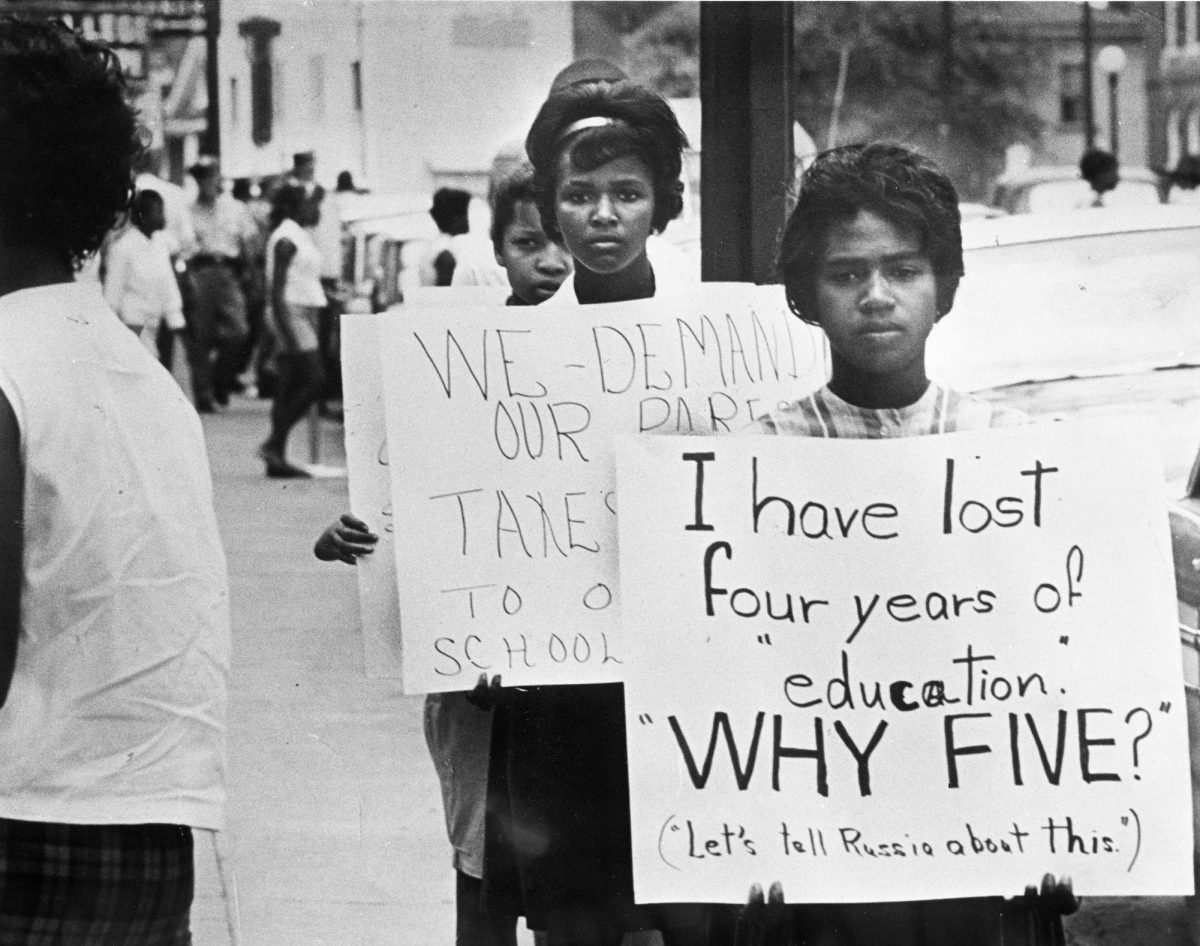
Young Black activists have been making history for generations. When they step forward, they often do so during critical social and political moments, fighting for racial equality, justice, and youth empowerment. Some of these remarkable young activists include Claudette Colvin, Minnijean Brown, Elizabeth Eckford, and Mari Copeny.
Before most people knew the name Rosa Parks, there was a 15-year-old girl named Claudette Colvin. In 1955, she took a stand on a Montgomery bus by refusing to give up her seat to a white passenger. Like Rosa Parks, Colvin’s actions were not a stunt—they were an act of resistance against injustice and segregation. Although she did not receive the same level of recognition due to her age and other circumstances, her courage helped pave the way for future civil rights victories and inspired young people across the country.
During the 1950s and 1960s, the Civil Rights Movement saw a tremendous rise in youth leadership. One of the most important examples was the Little Rock Nine, a group of nine Black teenagers who integrated Central High School in Arkansas. Among them were Minnijean Brown and Elizabeth Eckford.
These students faced angry mobs, threats, and opposition from those who wanted to maintain segregation. Despite the hostility, they continued attending school. Their presence in the hallways of Central High School became a powerful challenge to white supremacy and an important symbol of progress and courage.
Fun Fact
Another young activist who became a symbol of the Civil Rights Movement was Ruby Bridges. She was only six years old when she became one of the first Black students to integrate an all-white elementary school in New Orleans. Her bravery helped advance educational equality and continues to inspire people today.
More recently, Mari Copeny, also known as “Little Miss Flint,” began advocating for change at just eight years old. She helped bring national attention to the Flint water crisis in Michigan and raised millions of dollars to support clean water initiatives and resources for affected families. Her activism continued throughout her teenage years, proving that young voices can make a real difference.
Why Does Teenage Activism Matter?
Teenagers often possess something that can be described as “fearless idealism.” They are willing to stand up for what they believe is right, even when faced with criticism or opposition. Young activists see problems in the world and refuse to accept them as normal.
Their involvement brings urgency and moral weight to important issues. When a young person stands up for their rights—or the rights of others—it sends a powerful message. It demonstrates courage, determination, and a willingness to create change.
The legacy of these young leaders reminds us that making a difference does not require a college degree, political power, or decades of experience.
Sometimes, all it takes is the courage to say:
Things must be different.
And then having the bravery to help make that change happen.