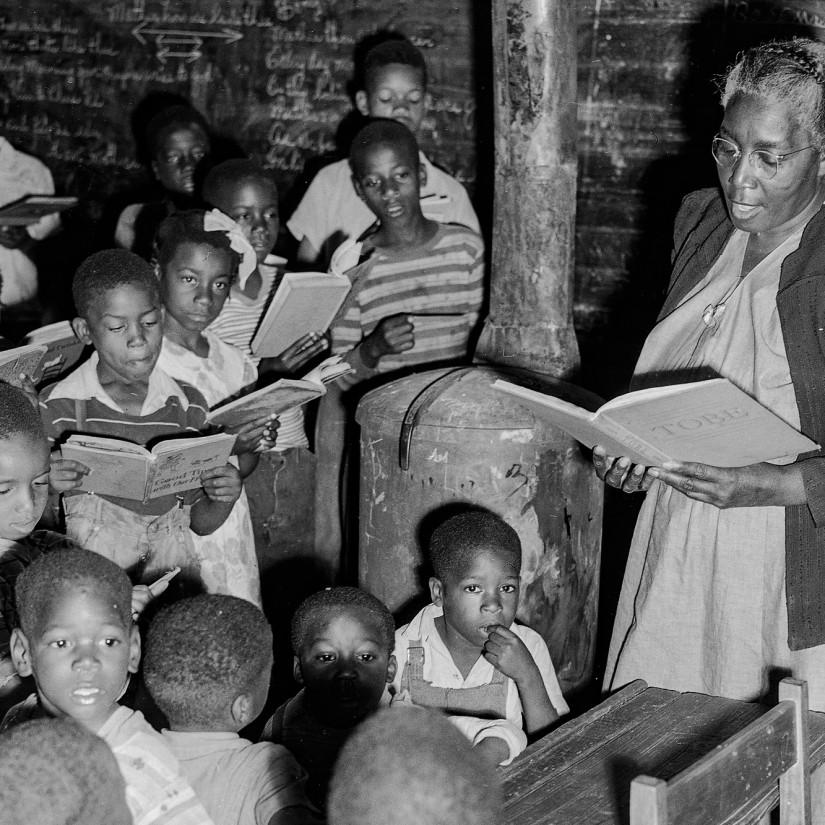
Throughout American history, Black educators have played an important role in expanding access to learning for African American communities. During periods when African Americans were denied basic education and faced segregation and discrimination, Black teachers worked tirelessly to create opportunities for learning where few officially existed. Their efforts not only challenged inequality but also laid the foundation for greater educational access for future generations.
One of the most influential figures in this movement was Booker T. Washington. In 1881, he founded the Tuskegee Institute in Alabama during a time when segregation and discrimination were widespread throughout the United States. Washington believed that education could serve as a pathway to economic success and independence. The Tuskegee Institute provided thousands of Black students with the skills and knowledge needed to succeed in American society and became one of the most respected educational institutions of its time.
Another key educator was Mary McLeod Bethune. Like Washington, Bethune believed that education could create opportunities and lead to economic success. In 1904, she founded the Daytona Educational and Industrial Training School for Negro Girls with very limited resources. Despite facing significant racism and discrimination, Bethune built an educational institution that eventually became Bethune-Cookman University. Through fundraising, determination, and community support, the school grew from just five students into a respected university, solidifying her place as one of the most successful educators of her era.
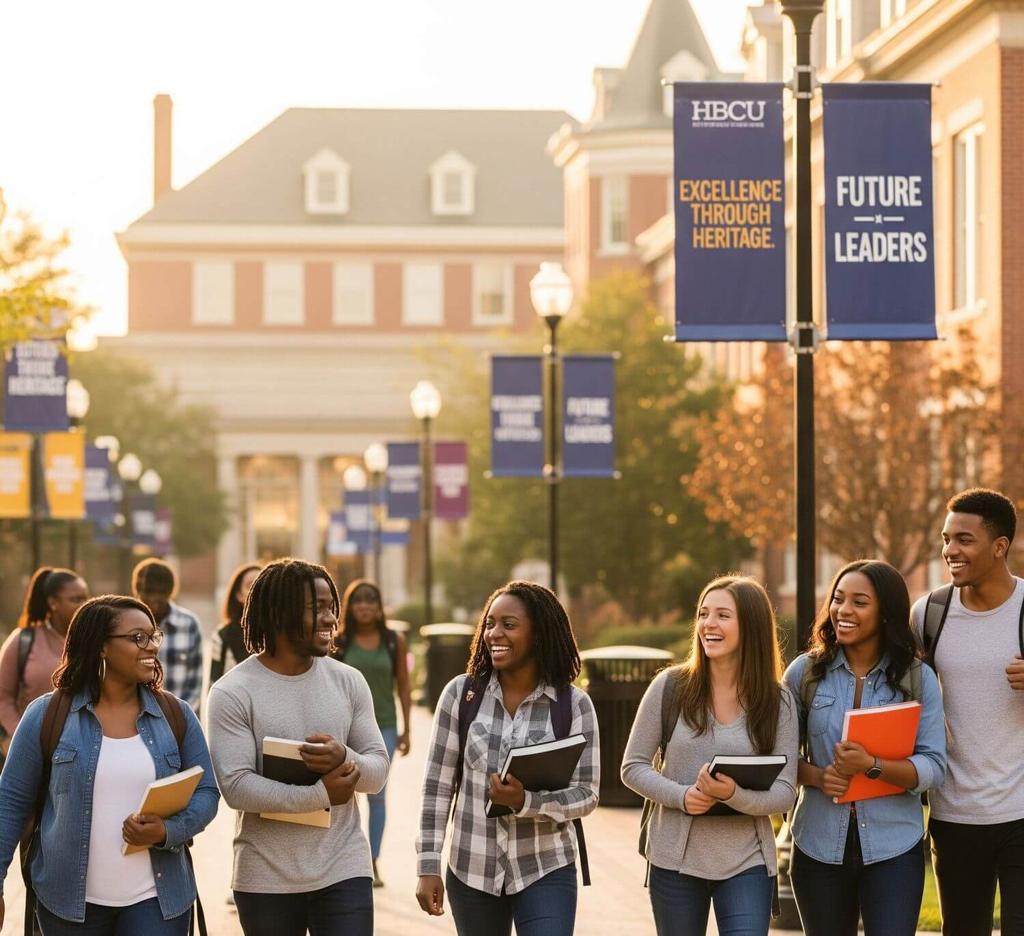
In my opinion, one of the most influential Black educators who expanded access to learning was Benjamin E. Mays. Mays served as president of Morehouse College for 27 years, from 1940 to 1967. During his leadership, he raised academic standards, strengthened the faculty, expanded the campus, and helped transform Morehouse into one of the most respected Historically Black Colleges and Universities (HBCUs) in the United States.
Mays is also remembered for mentoring Martin Luther King Jr.. His teachings about education, faith, leadership, and nonviolence influenced King during his college years and helped shape him into one of the most important civil rights leaders in American history.
The contributions of Booker T. Washington, Mary McLeod Bethune, Benjamin E. Mays, and countless other Black educators demonstrate the power of education to create change. Despite facing discrimination and barriers, they expanded opportunities for African Americans and helped make education more accessible for future generations.
Their legacy reminds us that education is one of the most powerful tools for achieving equality, opportunity, and progress.