Historically Black fraternities and sororities, established during a time of profound racial segregation and inequality, have played a crucial role in shaping the social, educational, and cultural landscapes of African American communities. Known as the Divine Nine, these organizations are Alpha Phi Alpha, Alpha Kappa Alpha, Kappa Alpha Psi, Omega Psi Phi, Delta Sigma Theta, Phi Beta Sigma, Zeta Phi Beta, Sigma Gamma Rho, and Iota Phi Theta, and they have fostered a unique sense of brotherhood and sisterhood, uniting members in a shared commitment to service, academic excellence, and cultural pride.
The origins of historically Black Greek- Letter Organizations ( BGLOs) can be traced back to the 1900s, when African Americans faced systemic racism and exclusion. The FIRST BLACK FRATERNITY, ALPHA PHI ALPHA, was founded in 1906 at Cornell University, followed by Alpha Kappa Alpha, the first BLACK SORORITY, 1908 at Howard University. These organizations were established not just for social networking but also as platforms for advocacy, education, and the advancement of African American interest.
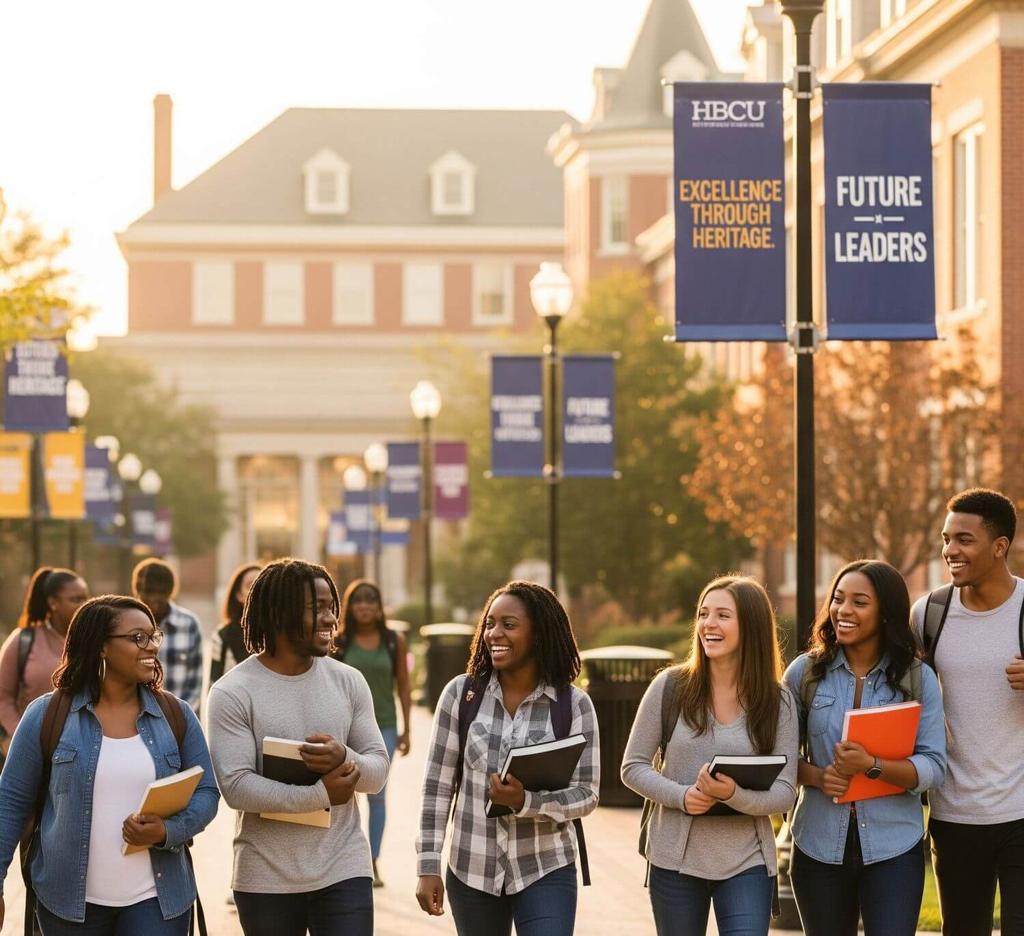
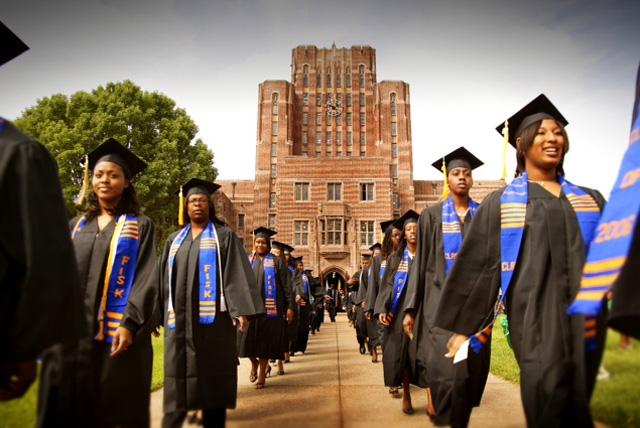
During a time when access to higher education for Black students was limited, BGLOs provided a supportive environment that encouraged academic achievement and personal development. They became sanctuaries where members could explore their identities. From lifelong friendships, and cultivate leadership skills.
Brotherhood and sisterhood form the backbone of BGLOs, creating a sense of belonging that transcends individual experiences. Membership is often a lifelong commitment, with initiation rites designed to bond individuals through shared challenges and triumphs. This close-knit community provides emotional support and encouragement, vital for members to navigate predominantly white academic institutions and workplaces.
The values instilled by these organizations scholarship, service, and social justice encourage members to uplift not only themselves but also their communities. The emphasis on service leads to numerous outreach programs, scholarships and advocacy initiatives that address pressing issues like education inequity, healthcare disparities and civil rights.
BGLOs have had a lasting cultural impact within the African American community and beyond. Their influence is seen in various aspects of popular culture, from music, and literature to social movements. Notable figures, including civil rights leaders, politicians, and entertainers, often attribute their achievements to the values and support gained through their affiliation with these organizations.
The cultural significance of BGLOs also extends to events like step shows and homecoming celebrations. These gatherings promote unity and pride among members and serve as a platform for showcasing African American culture to a broader audience. The vibrant traditions associated with these organizations celebrate history, artistry, and resilience.
Despite their positive contributions, historically Black fraternities and sororities have faced challenges, including issues of exclusivity and internal disputes. Concerns about hazing practices and the need for inclusivity have sparked discussions about reforms with these organizations. As BGLOs evolve, there is a growing emphasis on adapting to the needs of contemporary members while preserving their rich legacies.
In recent years many BGLOs have expanded their focus to include mental health awareness, leadership development, and community engagement, proving their adaptability and relevance in today’s society. Initiatives aimed at educating members on social issues and fostering open dialogues around identity and mental well being reflect a commitment to holistic growth.
Historically Black fraternities and sororities have profoundly impacted individuals and communities, cultivating a powerful sense of brotherhood and sisterhood that endures through generations. By prioritizing scholarship, service, and cultural pride, these organizations continue to racially uplift and empower their members while contributing to social change. As they navigate modern challenges, their resilience and commitment to community service remain central to their mission, ensuring that the legacy of the Divine Nine will resonate for years to come.