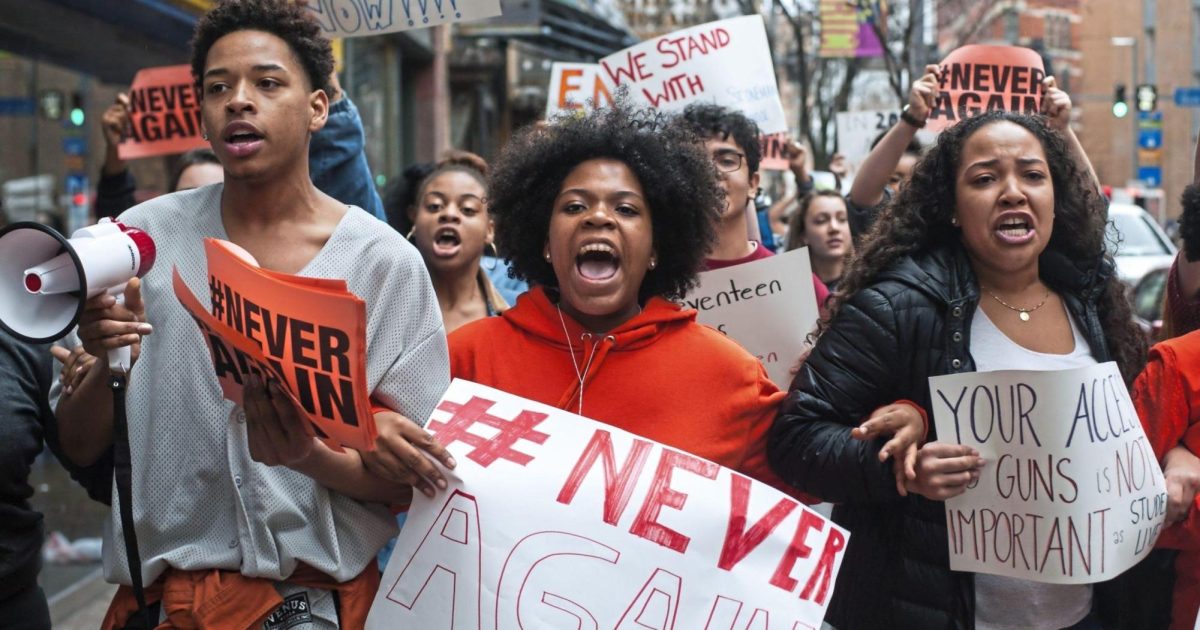
Black activism has been widely practiced and increasingly discussed from the 1960s to the present day. However, one aspect that often receives less attention is youth-led Black activism. Surprisingly, young people have been involved in Black activism since the Civil Rights Movement and even earlier. While youth activism has existed for decades, there has been a significant increase in youth-led Black activism since the early 2000s, and especially in recent years.
In many situations, the odds have been stacked against people of color. Speaking up for yourself, your community, or your beliefs requires courage, patience, and resilience. Many young people may hesitate to advocate for themselves because of fear, social pressure, or the normalization of injustice. As a result, many young people from minority communities do not always feel empowered to speak out.
However, social media and other online platforms have given young activists new opportunities to make their voices heard. Because these platforms are primarily used by younger generations, youth activists have been able to expand the reach of social justice movements in just a few decades. Their creativity and fresh perspectives have helped shape modern activism and create new ways to advocate for change.
This does not apply only to Black youth activists. Young people from many different minority communities have used their voices to raise awareness and inspire action. Still, Black youth activists continue to play a major role in advancing conversations about racial justice and equality.
One example is Thandiwe Abdullah, a young activist who has already achieved an impressive list of accomplishments. She co-founded the Black Lives Matter Youth Vanguard, addressed a crowd of approximately 500,000 people at the Women’s March in Los Angeles, and was featured on TIME’s list of influential teens.
According to UNICEF:
“Thandiwe Abdullah started attending political rallies from a young age alongside her mother, Melina Abdullah, who is a prominent activist in her own right. By the age of nine, Thandiwe was already involved in the growing Black Lives Matter movement in the United States.”
Her early involvement demonstrates how young people can make meaningful contributions to important social movements.
Another inspiring youth activist is Genesis Butler. Butler became interested in environmental and animal rights issues when she was only six years old. Since then, she has become a nationally recognized advocate.
According to SCIL:
“Genesis Butler is a passionate environmental and animal rights activist and one of the youngest people to ever give a TEDx Talk.”
Inspired by her great-uncle, civil rights leader Cesar Chavez, Butler has worked with numerous nonprofit organizations and has been recognized for her advocacy efforts. She was even featured on Disney’s Marvel Hero Project as the “Amazing Animal Ally.”
What makes Butler particularly impressive is the age at which she began her activism. Her story demonstrates that young people do not have to wait until adulthood to make a difference.
Why Youth Activism Matters
Young activists bring energy, creativity, and urgency to important issues. They often see problems from a different perspective and are willing to challenge ideas that older generations may accept as normal.
The stories of Thandiwe Abdullah, Genesis Butler, and many other young activists show that age does not determine a person’s ability to create change. Their work proves that young voices can influence communities, inspire movements, and help shape the future.
As social media continues to connect people around the world, youth-led activism will likely remain an important force for social change. The next generation is already making its mark—and many young activists are proving that you are never too young to stand up for what you believe in.